As I reflect on the military being deployed to Los Angeles this week, I question why we are so afraid. The escalating use of violence by citizens, police, and military units is not new. Wars have been fought, won and lost through the use of violence, but the average person is never better off at the end of a war than at the beginning. We have a tendency as humans to allow our fears to justify violence, but this is always a short sighted response. Escalations continue until someone moves past the willingness to “fight back” and demonstrates true courage through radical nonviolence.
Violence is often misunderstood as a show of strength. But at its core, violence is rooted in fear—fear of loss, fear of vulnerability, fear of the other. When individuals, groups, or nations resort to violence, they often do so out of a desperate need to control what feels uncontrollable. But while violence might offer a temporary illusion of power, history has shown time and again that the most enduring transformations come not from domination, but from the courageous demonstration of those unwilling to back down, but also unwilling to allow fear to overcome reason.
Violence: A Reaction Born from Fear
Fear is primal. It’s the survival instinct that kicks in when we feel threatened. But when left unchecked, fear can lead us down a destructive path. Violence is the knee-jerk reaction that seeks to extinguish perceived threats through force. Whether it’s the fear of losing power, identity, territory, or dignity, violence promises a swift answer. But it rarely brings peace—only more fear, more wounds, and more cycles of retaliation.
Responding to violence with violence may feel justified, even necessary, in the moment. But it often reinforces the very structures of oppression and conflict it seeks to dismantle. It escalates harm, fractures communities, and perpetuates trauma across generations.
The Transformative Power of Nonviolence
Radical nonviolence, on the other hand, requires immense courage and discipline. It is not passivity or weakness—it is the deliberate and strategic refusal to meet hatred with hatred. It seeks to disarm not just weapons, but the dehumanizing ideologies that fuel violence in the first place.
History offers us remarkable examples of leaders who chose nonviolence as a powerful tool for justice and change:
Mahatma Gandhi
Facing the brutal oppression of British colonialism in India, Gandhi pioneered satyagraha—the philosophy of nonviolent resistance rooted in truth and love. Through massive civil disobedience campaigns like the Salt March and the Quit India Movement, Gandhi mobilized millions. Despite violent crackdowns, he insisted on peaceful protest. The result: the eventual withdrawal of British forces and the birth of an independent India. His approach not only broke the chains of colonial rule but inspired a global movement for nonviolent resistance.
Martin Luther King Jr.
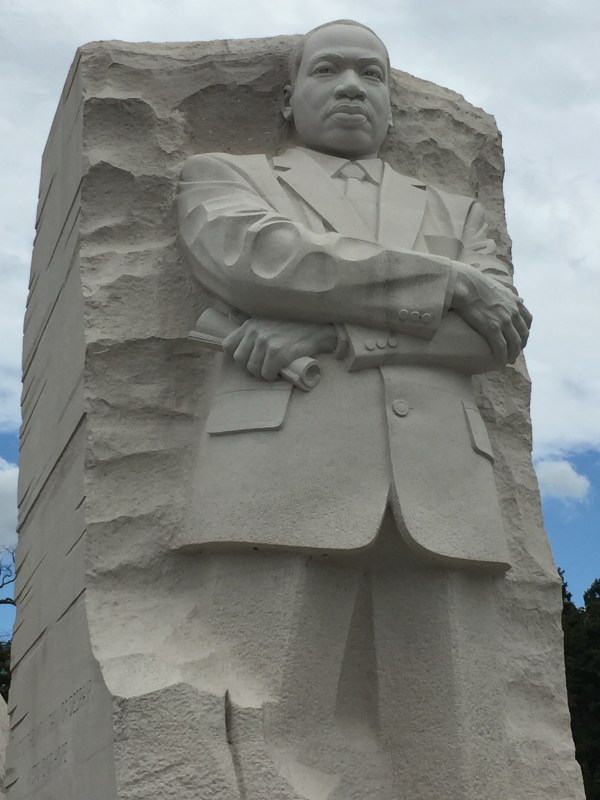
In the segregated American South, Dr. King picked up the torch of nonviolence. Drawing from both Christian teachings and Gandhian principles, he led marches, boycotts, and sit-ins that exposed the cruelty of Jim Crow laws. He understood that responding with violence would play into the hands of oppressors. Instead, he chose love, even in the face of bombs, dogs, and jail cells. His leadership helped pass landmark civil rights legislation and reshaped the conscience of a nation.
The Dalai Lama
After China invaded Tibet, the Dalai Lama could have called for armed resistance. Instead, he became the living symbol of compassion and forgiveness. Exiled from his homeland, he has tirelessly advocated for Tibetan autonomy through peaceful means. Even after decades of cultural repression and personal exile, he continues to preach understanding, inner peace, and nonviolence as the only viable path to freedom.
Other Voices of Peace
Nelson Mandela, though initially aligned with armed resistance, eventually chose reconciliation over revenge, guiding South Africa through the end of apartheid with remarkable grace.
César Chávez, founder of the United Farm Workers, used fasting and nonviolent protest to bring attention to the exploitation of agricultural workers.
Malala Yousafzai, who was shot for advocating girls’ education in Pakistan, responded not with vengeance, but with a global campaign for education and empowerment.
Why Nonviolence Works
Radical nonviolence works not because it avoids conflict, but because it reframes it. It refuses to accept the terms of oppression, yet also refuses to dehumanize the oppressor. It creates moral tension, revealing the cruelty of unjust systems while inviting change rooted in dignity.
Nonviolence appeals to the conscience, not just the power dynamics. It builds coalitions, not walls. And most importantly, it breaks cycles. Instead of sowing the seeds of the next war, it plants the foundations of lasting peace.
A Call for Courage
In a world still brimming with injustice, inequality, and conflict, the path of nonviolence remains as vital—and as challenging—as ever. It demands that we confront our fears, reimagine strength, and practice the kind of love that risks everything but hates no one.
Violence may seem like the faster path to change. But if we want peace that lasts beyond the battlefield, we must choose the slower, deeper, and infinitely more courageous path of nonviolence.
Let us not underestimate the quiet power of those who choose peace in the face of violence. They are not reacting to their fears—they are transforming it. And in doing so, they can change the world.






 Travis Buell