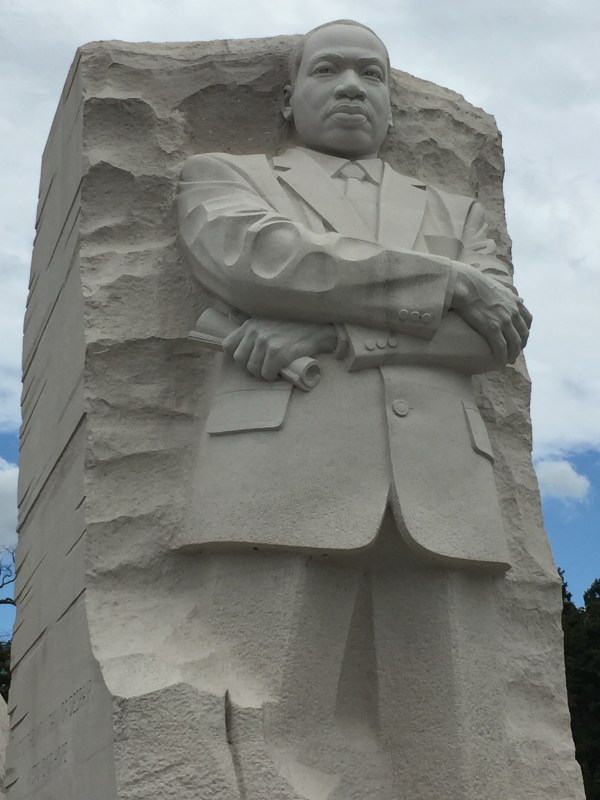
Becoming a Joyful Warrior for Justice

The recent events in Minnesota, and the death of Alex Pretti, stopped me in my tracks. They didn’t just make me angry or afraid—they made me tired. And then, unexpectedly, they reminded me why joy matters so much in this fight.

The past nine years have been exhausting.

Since the first campaign of Donald Trump, we have lived in a near-constant state of political stress. We watched an unconstitutional Muslim ban get rolled out with cruelty and chaos. We endured repeated attempts to repeal the Affordable Care Act with no viable replacement. We saw tax cuts pushed through that overwhelmingly favored the wealthy, sold as prosperity for everyone else. Those first three years were draining—but the guardrails of our institutions largely held. Courts intervened. Civil servants slowed the worst impulses. Democracy bent, but it did not break.

Then COVID hit.

What followed was not just a public health crisis, but a full exposure of incompetence at the highest levels of government. Science was dismissed. Responsibility was deflected. The economy collapsed. Unemployment skyrocketed. Millions lost loved ones, jobs, and any sense of stability. The cost of that failure is still with us.

When Democrats regained control, they did what functional governance looks like. Employment rebounded to pre-pandemic levels. Child poverty was driven to its lowest point since the 1960s. There was genuine compassion shown toward Latin American refugees fleeing political violence. But compassion without structure is not enough. Immigration was not handled in an organized, humane, and orderly way, leaving the border overwhelmed and communities unprepared. Inflation, too, was not contained quickly enough. For many families, that pain was immediate and personal.

Above all else, that economic anxiety is what opened the door to Donald Trump’s return.

Many people want to go back to what they remember as the “economic success” of Trump’s first three years, without realizing that much of that stability was built on policies inherited from the Obama administration. Now, the guardrails are gone. Trump has already shown he is willing to attempt to violently overturn an election. He governs through chaos, wedge issues, and fear—keeping his supporters angry and his opponents perpetually disoriented.

Fear is his fuel.

But we have something he does not.

We have joy.

Joy does not mean denial. It does not mean pretending things aren’t bad or refusing to feel righteous anger. Anger can spark a movement—but it cannot sustain one. Joy is what allows us to wake up each day and keep going without becoming what we oppose. Joy is what reminds us that we are fighting for something, not just against someone.

We fight for dignity. For equality. For a society that does not require cruelty to function.

We do not need fear to motivate us every day. We need to lean into the unity and strength we find in one another—more than the disdain we understandably feel toward the dismal actions of Trump and his fascist goons. We can choose to be joyful warriors for justice, grounded in the knowledge that we are part of a much longer story.

This was the first time in a long time, or maybe ever, that I woke up ready to take on the injustices of the moment. I was ready to calmly deal with the noise, the chaos, the false beliefs and the disingenuousness. I started to believe that I can do this every day, for as long as it takes, because this is what those who came before me did as well.

The arc of history is long, but it bends toward justice—because people bend it.

When we show up joyfully to do our small part each day, we become an unstoppable force for good. We become harder to exhaust, harder to divide, harder to silence. Joy is not weakness; it is endurance. It is clarity. It is power.

So hear this: you are not alone.

Together, we shall overcome. Together, we will not give in.

May there be a joyful light within you that shines so brightly it ignites the hearts of those around you—spreading a fire of joy, love, hope, and unity across this country.

Why The Truth About Immigration Feels So Urgent Right Now

I picked up The Truth About Immigration by Zeke Hernandez because I was tired of feeling like every conversation about immigration was taking place in bad faith. No matter where you fall politically, the debate has become less about understanding reality and more about reinforcing fears. Reading this book, I felt something I hadn’t felt in a while on this topic: relief. Not because the issue is simple, but because Hernandez treats the reader like an adult—someone capable of holding facts, nuance, and complexity at the same time.

That feeling has stayed with me as I’ve watched the current situation in Minneapolis unfold. What stands out isn’t just the tension or the anger—it’s how quickly misinformation fills the vacuum. Immigration is once again pulled into the narrative, often without evidence, used as a shorthand explanation for economic stress, crime, or social instability. Hernandez’s book makes clear how predictable this pattern is—and how dangerous.

One of the book’s greatest strengths is how concretely it documents the positive contributions of immigrants, moving far beyond vague claims that they are “good for the economy.” Hernandez walks through the data carefully and repeatedly shows how immigrants strengthen societies in ways that are both measurable and deeply human.

For example, he highlights how immigrants are disproportionately likely to start businesses. These aren’t just tech unicorns or headline-grabbing startups, but the small and midsize firms that anchor local economies—restaurants, construction companies, logistics firms, care services. These businesses create jobs, expand local tax bases, and often revitalize neighborhoods that native-born populations have left behind.

Hernandez also digs into innovation. Immigrants are overrepresented among patent holders, engineers, scientists, and founders in high-growth sectors. The book makes a compelling case that immigration is not a drag on advanced economies but one of the engines that keeps them dynamic. Countries that shut themselves off don’t protect prosperity; they slowly suffocate it.

Another myth Hernandez dismantles is the idea that immigrants are a fiscal burden. He shows how, over time, immigrants contribute more in taxes than they consume in public services—especially when you account for the fact that many arrive in their prime working years, educated at someone else’s expense. They help stabilize aging societies, support pension systems, and fill critical labor gaps in healthcare, agriculture, and skilled trades.

Perhaps most striking is the section on crime, an area where misinformation does the most damage. Hernandez doesn’t hedge here: the evidence consistently shows that immigrants, including undocumented immigrants, commit crimes at lower rates than native-born citizens. Yet fear-driven narratives persist because they are emotionally powerful and politically useful.

This is where the book moves from economics into something more unsettling. Hernandez explains how economic anxiety and unconscious bias make populations vulnerable to manipulation. When people feel insecure—about wages, housing, or cultural change—it becomes easier for authoritarian figures to redirect that fear toward immigrants. Falsehoods become tools. Facts become threats. Division becomes a strategy for asserting power.

Reading this, it’s hard not to see the parallels in our own moment. When unrest surfaces, when institutions feel fragile, when people are hurting, misinformation spreads faster than truth. Immigration becomes a convenient distraction from deeper structural problems—ones that are harder to solve and less useful to exploit.

What The Truth About Immigration ultimately offers is not just information, but a model for how we should be talking about difficult issues. Hernandez doesn’t moralize or scold. He presents evidence, explains why our intuitions often mislead us, and trusts readers to draw responsible conclusions. In a society saturated with hot takes and outrage, that approach feels almost radical.

This book made me realize how starved we are for factual grounding. We cannot solve problems we refuse to understand. We cannot preserve a democratic society if we allow fear and falsehoods to define our debates. At a time when misinformation can inflame cities and empower authoritarians, The Truth About Immigration is not just a book I’d recommend—it’s one I think we need.

Stewardship: The First Step Toward the Change We Seek

We talk often about change—changing our politics, our economy, our institutions, even the world itself. Yet lasting change almost always begins closer to home. It begins with stewardship—putting the resources we already have to their highest uses.

Stewardship is an old word, one we tend to associate with church giving or financial responsibility. But it’s far deeper and broader than that. Stewardship means caring well for what has been entrusted to us—our bodies, our families, our communities, and yes, our finances. It’s the practice of aligning our daily choices with our highest values.

My personal struggle with stewardship has been longstanding. My oldest son was born when I was twenty one. I spent way too much time at the bar and not nearly enough time in the library. For years, my wife and I struggled with finances. There just never seemed to be enough money, even though we were on an upward trend. The economy was in the midst of the Great Recession. Every job I took seemed to ask everyone to “do more with less”. I was frustrated beyond measure.

And yet, the prevenient grace of the universe led me forward. I started reading more and implemented small changes. I took control of what I could. I started exercising. I opened a college savings account and put in $20 a month. I went back to church.

Little by little, those changes added up. A couch-to-5k plan led to a marathon. That small initial investment led to the development of a plan to fully fund my son’s college before he graduates. Going to that worship service led to a new career path.

At the start of a journey, we do not know all the turns we will take. But taking those first steps toward a disciplined and accountable life lead to the path your heart desires. Stewardship exists in numerous areas that create virtuous cycles if exercised over the long term.


Taking Care of Your Body

We cannot serve others or ourselves well if we neglect the vessel through which we serve. Our bodies are sacred trusts— instruments of creativity, compassion, and connection. Before our finances matter, our bodies need to be in good working order.

There is an affordability crisis in American healthcare. We are all looking for a solution. The reality is this: the only path to sustainable and affordable healthcare is for us as individuals to take ownership of our own health. No amount of corporate entrepreneurship, pharmacology, university research or governmental intervention can save us if we choose to eat junk food, spend unlimited hours on screen time, fail to move our bodies and mentally stress ourselves with our employment.

When we choose rest over relentless work, nourishment over convenience, movement over stagnation, we’re not just improving our health; we’re practicing gratitude for the gift of being alive. Physical stewardship grounds us in reality and gives us the energy to show up as the best version of ourselves.


Showing Up for Your Family

Our families—biological or chosen—are the first communities we are called to nurture. Stewardship here means being present, forgiving, and generous with both time and attention. Too many of us, myself included, devote the best of our mental and emotional resources to our work and do not leave enough in the tank for our household.

It’s easy to advocate for justice in the abstract while neglecting the small injustices we perpetuate in our homes: impatience, neglect, criticism, or unspoken resentment. How often have you spoken to your spouse, parents or children in a way you would never dream of speaking professionally? What would your life look like if you breathed grace into your household with every conversation? How would your relationships grow if you replaced complaints about small matters with gratitude for the people in your life?

Healthy societies are built on healthy families. The way we love and lead within our own circles becomes the template for how we engage the world.


The Beloved Community

Beyond our families lies the broader community—our neighborhoods, congregations, schools, and workplaces. It also means the digital communities we engage in.

Stewardship here calls us to ask: What am I doing to strengthen the fabric of belonging where I live? Do I support local businesses? Volunteer my skills? Listen before judging? Share positive online content?

Studies for years have been showing a decline in community membership. From the local church, to the Elks and American Legion, to your neighborhood bowling alley, we are spending more and more time alone and engaging far less with the people in our surrounding area. We have replaced this with impersonal digital interactions that seem to drive us further and further apart.

Last year, the Surgeon General issued a warning on the epidemic of loneliness in America. Ironically and unfortunately, if you feel alone, please know that you are not the only one who feels this way. I have also struggled with this as digital interactions seem to push us into silos where we feel unheard and misunderstood. You are not alone. People in your community are willing to respond when you engage with them in person.

Communities thrive not because a few people do big things, but because many people do small things faithfully. The simple act of shutting off the screen and joining a local group makes a major impact, not only for yourself, but for those around you. The small acts each of us make compound to create the communities we want to live in.


Stewardship of Finances

Money is not the goal of life, but it is a tool to pursue those goals—a reflection of our priorities and our trust. When we budget, save, give, and invest with purpose, we align our resources with our values.

Financial stewardship isn’t about scarcity; it’s about responsibility. It’s recognizing that money can serve as a multiplier of love, justice, and opportunity when used wisely.

The last forty years have seen ever declining real wages for the average American worker. And yet, our houses are 1,000 square feet larger than our grandparents. We have access to information and networks that were unimaginable a few decades ago. Although inflation and automation put pressure on us financially, we still have the ability to carve out a sustainable financial strategy.

Simple steps like creating and following a budget, saving and investing small amounts, and continuously pursuing higher incomes lead to financial stability, and better yet, flourishment.

In my network, many of us are beyond the realm of getting by. We are at the point where we need to declare we have enough. The perpetual pursuit of more has become a disease among the successful professional class. Once you have financial security, it’s time to think hard about how much you are giving back compared to an endless pursuit of financial growth.


The Gap Between Desire and Discipline

We live in an age of activism and awareness. Many people deeply desire systemic change—they want fairer economies, cleaner environments, healthier communities. Yet many of us are unwilling to make the personal changes that would make those systems possible.

We demand integrity from institutions while living distracted, overextended, and disconnected lives. We protest greed in corporations but rarely examine our own consumer habits. We lament polarization while refusing to have patient, humble conversations with our neighbors.

This gap between desire and discipline—between vision and stewardship—is where our collective potential stalls.


Stewardship as the Seed of Systemic Change

Every great movement for renewal begins with individuals who first transformed themselves. Before the world changes, people change—their hearts, habits, and priorities.

Imagine what might happen if more of us practiced stewardship in the full sense of the word:

  • Caring for our health so we have strength to serve.
  • Leading our families with compassion and example.
  • Investing our time and money in ways that reflect justice and generosity.
  • Engaging our communities with empathy instead of apathy.

That is how systems shift—from the inside out. Stewardship is not small work; it is foundational and life changing work.


A Well-Lived Life

The goal of stewardship isn’t perfection or control; it’s faithfulness. It’s showing up, again and again, with gratitude and intentionality.

When we tend to what has been entrusted to us—body, family, community, and resources—we live a life that ripples outward. We become, in our own quiet way, the very change we’ve been asking for.

“To whom much is given, much will be required.” – Luke 12:48
Stewardship reminds us that we’ve all been given something.
And the world is waiting to see what we’ll do with it.


Related Reading:

🌍 The World in 2050: A Future Shaped by the Progress of Our Present

This month, we crossed a threshold where we are now closer to the year 2050 than the year 2000. In 2025, we are constantly bombarded with negative imagery, wars, threats, and reasons to be fearful. Our leaders yearn for days of the past they want to take us back to. It is seems the challenges ahead of us are insurmountable.

But evidence does not support this fear based world. In fact, a student of history can demonstrate we are more likely to overcome our differences than to succumb to them. Our brightest days are ahead of us if we work to create them.

If you were born before the year 2000, you’ve already witnessed a world transformed. The rise of the internet, smartphones in every pocket, renewable energy growth, artificial intelligence breakthroughs, and life-saving medical advances have all become part of daily life. But what if the trajectory we’ve been on — socially, technologically, and environmentally — continues to accelerate in the same spirit of innovation and reform?

Let’s take a trip to 2050 — not a dystopian future, but a world built on the momentum of the last 50 years of progress.

🌱 A Climate-Conscious Civilization

Clean air. Renewable power. Resilient systems.

In 2050, the energy transition is largely complete. Solar, wind, and geothermal now power the majority of the world’s infrastructure. Battery storage and smart grids have made energy abundant and accessible — even in previously underserved regions. Cities run on clean energy, and the air in once-polluted metropolises like Delhi and Los Angeles is fresh and breathable.

Massive reforestation and carbon capture projects, kickstarted in the 2020s, have reversed decades of atmospheric damage. Climate change hasn’t disappeared — but we adapted in time to avoid the worst. Coastal cities have upgraded their defenses, agriculture has become climate-smart, and the circular economy has become the default rather than the exception.

🤖 A Technologically Augmented Life

AI-enhanced creativity. Safer transportation. Smarter living.

Artificial intelligence has grown from a niche tool to a silent partner in everyday life. AI tutors tailor education to each student’s learning style. Healthcare AI systems diagnose illness with incredible precision and prevent disease before symptoms even appear. Autonomous vehicles have eliminated most traffic accidents, and mobility is no longer a barrier to opportunity.

The fusion of AI and human creativity has ushered in a cultural renaissance. Artists, designers, and storytellers collaborate with machines to produce new forms of expression, pushing the boundaries of music, film, literature, and visual art.

Meanwhile, augmented reality and virtual reality have redefined “place.” You can attend a concert in Tokyo, a lecture at Harvard, and a dinner with your family across the globe — all in the same evening.

🌍 A More Just and Inclusive Global Society

Equity is no longer a fringe idea — it’s policy.

If the social progress of the early 21st century continues, by 2050 we may see a world that is markedly more equitable and inclusive. The gender gap has shrunk significantly. Diversity is not just celebrated but embedded into governance, business, and education. More countries have embraced democratic values, and technology has enabled a deeper kind of civic participation — direct democracy through secure blockchain voting, for example.

The internet has become a human right. Universal access to education, knowledge, and opportunity is available through global learning platforms and open-source tools. Poverty has not been eradicated completely, but extreme poverty is rare, thanks to global investment in infrastructure, education, and health.

🌐 From Nationalism to Global Cosmopolitanism

A world that thinks in “we,” not just “me.”

The 2020s were marked by a surge in nationalist politics — walls went up, alliances fractured, and fear of the “other” defined much of the decade. But in hindsight, that period looks more like the final gasp of an old world order than the birth of a new one.

By the 2030s, a shift began. As global crises — pandemics, climate disasters, cyberattacks — continued to cross borders, it became painfully clear that no nation could solve these challenges alone. The result was a slow but profound move toward global cooperation and cosmopolitan identity.

In 2050, international institutions have been revitalized and democratized. There’s a Global Commons Council that governs planetary resources like the oceans, atmosphere, and space. Cities form regional alliances across borders based on shared challenges, not national divisions. Younger generations, raised on global platforms and intercultural collaboration, see themselves as both citizens of their nations and of the world.

Patriotism still exists, but it’s not zero-sum. Love of country no longer requires fear of another. National pride now flows from global contribution — what a country gives, not just what it protects.

🧬 Health and Longevity Reimagined

Longer lives. Better lives.

Medical science has exploded in capability. Gene editing, personalized medicine, and regenerative therapies have extended not just the human lifespan but the healthspan. People are routinely living healthy lives well into their 90s and beyond. Mental health is treated with the same urgency and seriousness as physical health, and stigma has largely faded.

Diseases that were once chronic — diabetes, heart disease, even some cancers — have either been cured or managed to the point of invisibility through beneficial updates to the food system. Global pandemics, thanks to real-time viral detection and universal vaccine platforms, are neutralized within weeks rather than years.

🚀 A New Space Age

Not just reaching for the stars — working among them.

Human presence beyond Earth has expanded dramatically. There are now scientific research stations on the Moon and a permanent human settlement on Mars. Space is no longer the domain of governments alone — universities, private companies, and global coalitions participate in a new era of exploration.

Earth-orbiting satellites deliver instantaneous global internet. Space-based solar arrays beam clean energy back to Earth. The stars are no longer unreachable dreams but shared frontiers.

🌐 The Spirit of 2050

The defining feature of 2050, if we stay on our current course, won’t be flying cars or robot butlers — it will be balance. A balance between technology and humanity. Between progress and sustainability. Between individual freedom and collective well-being.

This is not a utopia. There will still be conflict, inequality, and struggle. But the difference is: we will have the tools, the wisdom, and the global will to address them.

2050 won’t be the finish line. It’ll be proof that we chose the right path when it mattered most — and that the best is still ahead of us.

The world is waiting. What will you help build?

Fear, Violence, and the Power of Radical Nonviolence

As I reflect on the military being deployed to Los Angeles this week, I question why we are so afraid. The escalating use of violence by citizens, police, and military units is not new. Wars have been fought, won and lost through the use of violence, but the average person is never better off at the end of a war than at the beginning. We have a tendency as humans to allow our fears to justify violence, but this is always a short sighted response. Escalations continue until someone moves past the willingness to “fight back” and demonstrates true courage through radical nonviolence.

Violence is often misunderstood as a show of strength. But at its core, violence is rooted in fear—fear of loss, fear of vulnerability, fear of the other. When individuals, groups, or nations resort to violence, they often do so out of a desperate need to control what feels uncontrollable. But while violence might offer a temporary illusion of power, history has shown time and again that the most enduring transformations come not from domination, but from the courageous demonstration of those unwilling to back down, but also unwilling to allow fear to overcome reason.

Violence: A Reaction Born from Fear

Fear is primal. It’s the survival instinct that kicks in when we feel threatened. But when left unchecked, fear can lead us down a destructive path. Violence is the knee-jerk reaction that seeks to extinguish perceived threats through force. Whether it’s the fear of losing power, identity, territory, or dignity, violence promises a swift answer. But it rarely brings peace—only more fear, more wounds, and more cycles of retaliation.

Responding to violence with violence may feel justified, even necessary, in the moment. But it often reinforces the very structures of oppression and conflict it seeks to dismantle. It escalates harm, fractures communities, and perpetuates trauma across generations.

The Transformative Power of Nonviolence

Radical nonviolence, on the other hand, requires immense courage and discipline. It is not passivity or weakness—it is the deliberate and strategic refusal to meet hatred with hatred. It seeks to disarm not just weapons, but the dehumanizing ideologies that fuel violence in the first place.

History offers us remarkable examples of leaders who chose nonviolence as a powerful tool for justice and change:

Mahatma Gandhi

Facing the brutal oppression of British colonialism in India, Gandhi pioneered satyagraha—the philosophy of nonviolent resistance rooted in truth and love. Through massive civil disobedience campaigns like the Salt March and the Quit India Movement, Gandhi mobilized millions. Despite violent crackdowns, he insisted on peaceful protest. The result: the eventual withdrawal of British forces and the birth of an independent India. His approach not only broke the chains of colonial rule but inspired a global movement for nonviolent resistance.

Martin Luther King Jr.

In the segregated American South, Dr. King picked up the torch of nonviolence. Drawing from both Christian teachings and Gandhian principles, he led marches, boycotts, and sit-ins that exposed the cruelty of Jim Crow laws. He understood that responding with violence would play into the hands of oppressors. Instead, he chose love, even in the face of bombs, dogs, and jail cells. His leadership helped pass landmark civil rights legislation and reshaped the conscience of a nation.

The Dalai Lama

After China invaded Tibet, the Dalai Lama could have called for armed resistance. Instead, he became the living symbol of compassion and forgiveness. Exiled from his homeland, he has tirelessly advocated for Tibetan autonomy through peaceful means. Even after decades of cultural repression and personal exile, he continues to preach understanding, inner peace, and nonviolence as the only viable path to freedom.

Other Voices of Peace

Nelson Mandela, though initially aligned with armed resistance, eventually chose reconciliation over revenge, guiding South Africa through the end of apartheid with remarkable grace.

César Chávez, founder of the United Farm Workers, used fasting and nonviolent protest to bring attention to the exploitation of agricultural workers.

Malala Yousafzai, who was shot for advocating girls’ education in Pakistan, responded not with vengeance, but with a global campaign for education and empowerment.

Why Nonviolence Works

Radical nonviolence works not because it avoids conflict, but because it reframes it. It refuses to accept the terms of oppression, yet also refuses to dehumanize the oppressor. It creates moral tension, revealing the cruelty of unjust systems while inviting change rooted in dignity.

Nonviolence appeals to the conscience, not just the power dynamics. It builds coalitions, not walls. And most importantly, it breaks cycles. Instead of sowing the seeds of the next war, it plants the foundations of lasting peace.

A Call for Courage

In a world still brimming with injustice, inequality, and conflict, the path of nonviolence remains as vital—and as challenging—as ever. It demands that we confront our fears, reimagine strength, and practice the kind of love that risks everything but hates no one.

Violence may seem like the faster path to change. But if we want peace that lasts beyond the battlefield, we must choose the slower, deeper, and infinitely more courageous path of nonviolence.

Let us not underestimate the quiet power of those who choose peace in the face of violence. They are not reacting to their fears—they are transforming it. And in doing so, they can change the world.

From Constantine to Christian Nationalism: Faith as a Tool of Power

As I reflect on our current state of affairs, I can’t help but recognize we have a deep spiritual crisis in America. It seems religion is increasingly the enemy of spirituality rather than its ally. We are struggling to connect with the divine. There is so much noise in our world that there is hardly time to hear the universe whisper.

I was born into the United Methodist Church. A large portion of my values and beliefs were formed through my understanding of the Gospel framed through John Wesley’s way of preaching it. At the same time, I have broadly studied philosophy and history. It is not new that religion and politics have been co-opted by less than righteous individuals, causing the faithful to distrust their institutions.

When Emperor Constantine converted to Christianity in the early 4th century, it sent shockwaves through the Roman Empire and reshaped the course of Western civilization. But Constantine’s sudden embrace of the Christian faith wasn’t just a spiritual awakening—it was a masterclass in political strategy. Seventeen centuries later, echoes of that strategy can be heard in the rhetoric and tactics of modern right-wing Christian Nationalism.

Constantine: The Cross and the Crown

Constantine’s conversion is often portrayed as a divine revelation. The story goes that before the Battle of the Milvian Bridge in 312 AD, Constantine saw a vision—a cross of light in the sky with the words “In this sign, conquer.” He adopted the Christian symbol for his army, won the battle, and soon after became the sole ruler of the Roman Empire. He then issued the Edict of Milan in 313 AD, legalizing Christianity and ending centuries of persecution. It is absurd to me that Christians adopt this tale of an Emperor winning a battle with the cross in front of it, as Jesus’s life clearly demonstrates his commitment to non-violence.

But this wasn’t about religion—it was about unifying a fractured empire. The Roman world was riddled with internal strife, and Constantine recognized that Christianity, with its growing numbers and organizational strength, could serve as a cohesive force. His “conversion” allowed him to consolidate power, align himself with an increasingly influential group, and gain legitimacy as a divinely favored ruler. In effect, he weaponized religion to cement political dominance.

Christian Nationalism and the GOP

Fast forward to 21st-century America, and a similar pattern emerges. Within the Republican Party, particularly its right-wing faction, Christianity—specifically conservative Evangelical Christianity—has become a central pillar of political identity. It’s not uncommon to hear calls for the United States to be declared a “Christian nation,” or for policies to be framed as extensions of biblical values. Flags bearing crosses fly next to MAGA banners. Political rallies often resemble revival meetings.

Like Constantine’s strategic conversion, the modern use of Christianity in politics is less about personal faith and more about power. Christian Nationalism seeks to fuse national identity with a narrow interpretation of Christianity, positioning one religious worldview as synonymous with patriotism and moral authority. It often marginalizes those who fall outside that worldview—Muslims, Jews, atheists, LGBTQ+ individuals, and progressive Christians alike.

The Politics of Piety

For both Constantine and today’s Christian Nationalists, the strategy is clear: use religion as a tool to legitimize authority and create an “us vs. them” framework that rallies the faithful while excluding dissenters. Constantine turned Christianity into a state religion, blending the cross with the sword. Today’s Christian Nationalists echo this by advocating for policies that blur the line between church and state, from school prayer mandates to abortion bans rooted in religious doctrine.

But just as Constantine’s alliance with the Church transformed Christianity—making it a powerful institution tied to empire—modern political Christianity risks turning faith into a partisan weapon. The result? A version of religion more concerned with control than compassion, more about votes than virtue.

Lessons from History

History teaches us that when religion becomes too entangled with political ambition, it can lose its moral compass. Constantine’s legacy is complex—he helped spread Christianity, but also laid the groundwork for centuries of religious coercion and crusades. He also laid the ground work for the demise of the Roman Empire. Today, as some Republican leaders invoke Christian symbols to consolidate power, we’re faced with the same fundamental question: is this about genuine faith, or is it about using faith to gain and keep power?

The danger lies not in the presence of faith in public life, but in the distortion of faith for political ends. As history shows, when power and piety become indistinguishable, both can be corrupted. We need a spiritual revival in the country, but it needs to be based on love, mercy, humility and justice. This is what is missing in our lives and our politics.

Reclaiming Focus: Resolutions for a Distraction-Free Life

As we welcome a new year, many of us feel a pull to set resolutions that improve our lives—whether it’s exercising more, eating healthier, or spending more time with loved ones. Creating achievable resolutions each year has made a huge impact in my life. I have created a discipline of stacking habits over the years that have allowed me to move toward a healthy and well-lived lifestyle. But I still struggle with owning my attention. Carrying around a device where anyone in the world, including automated marketing campaigns and push notifications, can instantly get a hold of me is not a path to a peaceful and engaged life. In our increasingly distracted world, taking control of my attention is my focus for 2025.

Our focus is our most precious and exploited resource. You can always make more money, but none of us can make more time. Moreover, the quality of the time we spend is diminished when we are distracted. Social media platforms, streaming services, and news outlets compete for every spare moment of our day. Remote work and smart devices have allowed our employment to bleed over into our personal lives. This constant tug on our attention not only leaves us more distracted but also diminishes our happiness, creativity, and ability to connect meaningfully with others.

The Attention Economy and Its Impact on Happiness

The attention economy thrives on keeping us engaged as long as possible, often using algorithms designed to exploit our psychological vulnerabilities. Endless scrolling, autoplay features, and personalized recommendations may seem harmless, but they encourage habits of distraction and impulse. The average person spends over 2 hours daily on social media—time that could be spent pursuing passions, deepening relationships, or simply resting. Remember, if a company is offering you a service for free, then your attention is actually the product they are selling.

The result? A growing body of research shows that excessive screen time and fragmented attention are linked to increased stress, anxiety, and dissatisfaction. When our days are constantly interrupted by notifications and the lure of digital content, we lose the ability to be present, engage deeply, and experience the joy of truly immersive experiences.

Resolutions for Regaining Control of Your Focus

Here are some practical and intentional resolutions to help reclaim your attention and improve your quality of life:

1. Set Digital Boundaries

Commit to creating a healthier relationship with technology. Use tools like screen time trackers or app blockers to limit distractions. For example, set specific times to check emails and social media instead of grazing on them throughout the day. Turn off unnecessary notifications to reduce interruptions and regain mental clarity. You can even change the color of your phone to greyscale to make it less attractive. I will be changing the color and setting 10 minute limits for social media and news on my iPhone.

2. Prioritize Real-Life Connections

Make a conscious effort to prioritize in-person interactions over digital ones. Plan regular meetups with friends or family and keep your phone out of reach during these moments. The quality of your relationships can improve significantly when you give people your undivided attention. These do not have to be incremental to your life if your already have a busy schedule. However, it does mean making the time more intentional by engaging with those around you rather than scrolling through your phone.

3. Create Tech-Free Zones

Designate areas of your home as technology-free spaces. For instance, keep phones and tablets out of the bedroom to improve sleep quality, or establish device-free dinners to enhance family bonding. We have had a no-phones rule at dinner time for years. It’s easier said than done, as simple things like looking up the weather for tomorrow can come up in conversation, but you can see someone’s presence fallout of the room when they check for an answer, but get pulled away by other apps.

4. Rediscover Hobbies and Passions

Replace passive scrolling with activities that bring you joy and fulfillment. I often hear people say they don’t have the time for themselves, their hobbies and their passions. If you’re one of these people, I would ask you to take a hard look in the mirror. If you are spending more than an hour on your phone or watching TV, you have the time to pursue something more meaningful. Whether it’s learning a new instrument, gardening, or joining a local sports club, engaging in hobbies helps you reconnect with your passions and feel more accomplished. These skills and activities compound your sense of well-being overtime in a way social media never will.

5. Audit Your Digital Diet

Evaluate the content you consume and its impact on your mood and mindset. Unfollow accounts that make you feel anxious or inadequate, and instead, follow those that inspire, educate, or uplift you. Be selective about what deserves your attention.

This is a huge one for me. The 2024 election cycle was heated and reinforced a number of echo-chambers I was already a part of. I have deeply held convictions about how we should move our country forward, but I don’t need to know or engages with the outrage de jour that the news channels want to serve me. I have unfollowed the bulk of political commentary. If there are accounts, pages or channels you engage with regularly that raise your blood pressure, I encourage you to do the same.

The Reward of Reclaimed Focus

By taking control of your focus, I hope to discover more time, energy, and mental clarity to pursue what truly matters. In joining me, you’ll build habits that nurture happiness, productivity, and deeper relationships, transforming how you experience daily life. We are blessed with the freedom to choose to pay attention to. Actively seeking out the good in life leads to exponentially better results for yourself and the communities around you.

As you think about setting a New Year’s resolution, consider this: attention is the foundation of a fulfilling life. Choose to spend it wisely.

Nostalgia vs. Reality: What progress have we made in the new millennia?

Think back to the year 1999. Do you recall how well we were doing? The internet was booming. Google and Amazon were taking off. Unemployment was at a thirty year low. America was at the peak of its power and the world was at peace.

Is this the world you remember?

Let me tell you a different, yet equally true, story.

In 1999, we faced a false technological panic in the “Y2K” computer glitch. The sitting President was impeached for improper sexual conduct with an intern. He seemed to serially harass women throughout his career. NATO attacked Serbia due to an ongoing authoritarian genocide. A little known group called Al Qaeda bombed US Embassies in Kenya and Tanzania a year prior and were plotting the 9/11 attacks. Half of Africa’s population lived in abject poverty. The US stock market was in a bubble that it would not fully recover from for another twelve years.

Do you remember this as well?

If you are like most people, you likely think of the first description when you recall the 1990’s, but you also remember the events from the second description when they are pointed out. We have a pervasive nostalgia bias that puts rose colored glasses on the past, and paints our current situation worse than it truly is.

As the quarter-century mark draws near, I find it necessary pause and reflect on the progress we’ve made over the last twenty five years. Global discourse skews toward negativity for the purpose of grabbing your attention, with narratives of decline dominating headlines and social media.

Yet, when we look beyond the noise, the data and lived experiences tell a different story: one of remarkable advancements in healthcare, technology, economics, and equality. These achievements paint a hopeful picture of a world that, despite its challenges, continues to move forward.

Let’s take a look at where we have made significant advancement.

Healthcare: Saving Lives at Unprecedented Rates

Since the year 2000, healthcare has witnessed extraordinary breakthroughs. Global life expectancy has risen by over six years, thanks in large part to innovations in medicine, expanded access to care, and public health initiatives. Diseases like malaria, tuberculosis, and HIV/AIDS, once major killers, are increasingly under control due to effective treatments and global cooperation.

For instance, the global death rate from malaria has been cut nearly in half since 2000, while mother and child mortality rates have plummeted due to improved healthcare access in developing nations. The rapid development and distribution of COVID-19 vaccines exemplify how far we’ve come in leveraging science and technology to address health crises at scale.

Yet, many lament that healthcare systems are overwhelmed or unequal. While these concerns are valid, they should not overshadow the undeniable progress we’ve made in saving lives and improving quality of life.

Technology: Empowering Billions

In the year 2000, the internet was a luxury for the few, and smartphones were yet to revolutionize our lives. Fast forward to today: over 5 billion people are connected online, with access to information, education, and opportunities that were once unimaginable. Artificial intelligence, renewable energy technologies, and advancements in space exploration are not just buzzwords—they’re shaping a better future for humanity.

Technology has democratized access to tools that once belonged to the elite. From farmers using AI-driven apps to predict crop yields to students in remote areas attending virtual classes, the reach of innovation is profound. Critics often point to the downsides of technology—addiction, misinformation, privacy concerns and the looming uncertainties of AI. While these are challenges that need addressed, they should not obscure the transformative potential and positive impact technology has had on billions of people across the globe.

Standard of Living: A Quiet Revolution

The world has made significant strides in reducing extreme poverty. According to the World Bank, the global extreme poverty rate fell from 36% in 1990 to about 9% in 2021—a staggering achievement. Electricity, clean water, and sanitation are now accessible to millions more people, significantly improving their quality of life.

While the gap between rich and poor remains a pressing issue, the overall trend is one of continuous upward progress. Even in developing nations, more people have access to better housing, education, and health services than ever before. This quiet revolution in standard of living often goes unnoticed amidst the noise of pessimism.

Economics: Resilience and Growth

Global economic growth has lifted billions out of poverty and into the middle class. Emerging markets like China, India, and parts of Africa have transformed the global economic landscape. Trade, innovation, and technology have fueled productivity, creating wealth on an unprecedented scale.

Critics may point to economic crises, inequality, or inflation as signs of a failing system. However, these are not new phenomena—they are challenges that have been managed repeatedly throughout history. The resilience of economies in rebounding from global shocks, including the 2008 financial crisis and the COVID-19 pandemic, showcases humanity’s ability to adapt and thrive. While changes are needed to address inequalities, we do not need to throw out the entire system to accomplish the progress we seek.

Equality: The Long Journey Forward

While slower and more uneven than we would like, progress in equality is undeniable. Since 2000, gender parity in education has improved, with more girls attending school globally than ever before. Legal protections for LGBTQ+ individuals have expanded, and movements advocating for racial and social justice have gained momentum.

Of course, much work remains. Systemic inequalities still exist, and cultural resistance can slow change. But progress is not linear—it’s a gradual, often contested journey. The growing global awareness and activism around equality signal that the arc of history continues to bend toward justice.

Dispelling the Perception of Decline

Why, then, do so many feel as though the world is getting worse? The answer lies in human psychology and the nature of information consumption. Negative news captures our attention more than positive stories—a phenomenon known as “negativity bias.” Social media amplifies this effect, creating echo chambers that distort reality.

When viewed through the lens of data and historical context, the evidence is clear: we are healthier, wealthier, and more connected than at any other time in human history. While it’s essential to acknowledge and address the challenges we face, focusing solely on them risks overlooking the immense progress humanity has made.

A Call to Optimism

The world has come a long way since 2000. Despite what you hear on the news, from our politicians, or your favorite influencer, we are better off today than we were twenty-five years ago. Recognizing this progress doesn’t mean ignoring the problems that remain—it means drawing hope and inspiration from our achievements as we tackle future challenges.

Progress is not inevitable. The developments that have been made are due to the hard work and determination of people who worked together to create a better life for themselves, their communities, their countries and the world as a whole. We are ultimately a social species. Our prosperity is created through communication, collaboration, listening and understanding.

Our perception today creates the reality of tomorrow. If we believe in a world that continues to make progress, that is the world we will create. We must seek out ways we have overcome obstacles in the past and build upon those methods to create a brighter tomorrow. The progress we have made was not mandated from political leaders. It was the collective result of billions of people doing the right thing on a daily basis.

My challenge to you is to actively foster a mindset of informed optimism that cultivates your actions into the life you want to lead. That is what will make 2050 an even better year than 2025.

I look forward to our continued collective progress.
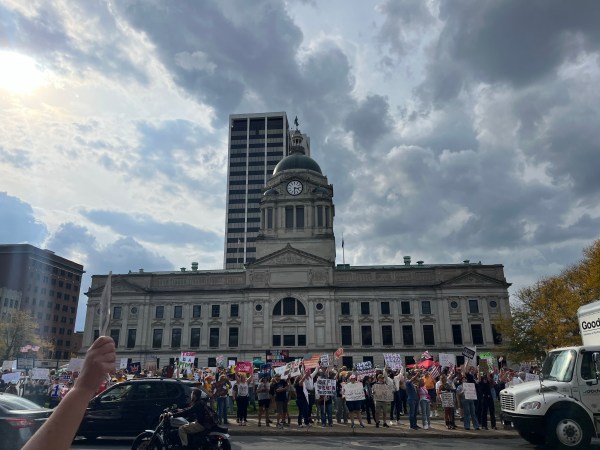
The Birth of Jesus: A Christmas Immigration Story

The story of Christmas, celebrated worldwide as the birth of Jesus Christ, carries profound themes of hope, resilience, and inclusion. It is also a narrative deeply rooted in the experiences of migration and displacement. Mary and Joseph, as key figures in the Nativity story, faced daunting obstacles, including a government-ordered journey and the inability to find shelter. Their experience resonates with the struggles of countless migrants throughout history, including those impacted by restrictive policies in modern times. In a profound irony, it seems unlikely there would be room for Jesus in a country run by christian nationalists.

If America is for Americans only, then a middle eastern Jew name Jesus has no place here.

The Nativity as a Tale of Migration

The journey to Bethlehem, as recounted in the Gospel of Luke, begins with a government mandate. Emperor Augustus issued a decree requiring all citizens to register for a census, compelling Mary and Joseph to leave their home in Nazareth and travel to Bethlehem. Mary, pregnant and near term, undertook this arduous journey under circumstances of duress—a journey mirrored in the lives of refugees fleeing war, famine, or persecution in search of safety and stability.

Upon reaching Bethlehem, Mary and Joseph faced rejection and exclusion, as “there was no room in the inn.” This moment highlights the vulnerability of migrants who, despite their urgent need for shelter, are often met with indifference or hostility. Jesus, born in a stable among animals, entered the world as a figure of humility, solidarity, and resilience—qualities that resonate with the experiences of those forced to navigate the margins of society.

The narrative does not end there. After Jesus’ birth, King Herod’s violent decree to kill all male children under two years old forced the Holy Family to flee to Egypt. This act of political persecution transformed them into refugees, seeking asylum in a foreign land to escape violence. Their flight to Egypt mirrors the modern plight of asylum seekers fleeing oppressive regimes, seeking sanctuary in countries where they hope for safety and a chance to rebuild their lives.

Immigration Policies in the Trump Era

Fast forward to contemporary times, and the themes of the Nativity story take on new significance in the context of modern immigration policy. Under Donald Trump’s administration, a series of restrictive measures profoundly impacted migrants and refugees. The “zero-tolerance” policy led to the separation of thousands of families at the U.S.-Mexico border, creating a humanitarian crisis that drew widespread condemnation. The travel ban targeting predominantly Muslim-majority countries further restricted the movement of vulnerable populations, including refugees fleeing conflict zones.

These policies often invoked the language of national security and economic preservation, yet they also revealed a troubling lack of empathy for the human stories behind migration. The separation of families echoes the rejection and vulnerability faced by Mary and Joseph when seeking shelter. Refugees turned away from borders evoke the plight of the Holy Family fleeing Herod’s tyranny.

The Trump administration’s policies also stand in stark contrast to the central message of the Christmas story: a call to embrace the marginalized and provide refuge to those in need. The story of Jesus’ birth challenges societies to extend compassion to strangers, reflecting the biblical mandate to “welcome the stranger” (Matthew 25:35).

It seems the MAGA movement was not paying attention in Sunday school and do not recall the injustices of his first term. True Christ followers will treat any immigrant as their neighbor, because it is literally commanded by God in the Bible:

“Do not mistreat or oppress a foreigner, for you were foreigners in Egypt.” – Exodus 22:21

“Cursed is anyone who withholds justice from the foreigner, the fatherless or the widow.” – Deuteronomy 21:19

“Do not forget to show hospitality to strangers.” – Hebrews 13:2

And dozens more. It is ultimately clear that Christianity requires us to accept the immigrant, as there are no illegals in the eyes of God.

Bridging the Divide: Lessons from the Nativity

The Christmas story serves as a powerful reminder that migration is not a new phenomenon but a recurring theme in human history. It calls for empathy and an acknowledgment of shared humanity. Mary, Joseph, and Jesus were migrants seeking safety and shelter, much like today’s refugees and asylum seekers. The political barriers and hostile attitudes they faced are still evident in contemporary debates about immigration.

To reconcile these lessons with current policies, we must prioritize compassion and inclusion over fear and exclusion. Immigration systems should focus on protecting the dignity and rights of migrants, providing them with opportunities to thrive rather than barriers that perpetuate suffering.

The birth of Jesus and the story of Christmas offer profound lessons about migration, resilience, and hope. By drawing parallels between the experiences of the Holy Family and modern migrants, we are reminded of the moral imperative to treat all people with dignity and compassion. We are all the descendants of immigrants.

The Nativity story challenges us to envision a more just and inclusive world—one that honors the fundamental humanity of all, regardless of borders or circumstances.

I challenge all of us, particularly evangelical christians, to reflect over the holidays on how we can make room in our country for a young pregnant couple doing their best to make their way through life.

We need to make room in the inn. Or we need to stop pretending this holiday has any true meaning.

Where do we go from here?

I started this blog eight years ago after the first election of Donald Trump. It was (and is) an introspective reflection of what I aspire to be and the good I see in the world. The lead up to the 2016 election was filled with vitriol and hate. My first blog post was about how we need reconciliation as a country. It pains me to say we find ourselves in an even deeper hole eight years later. 

After Trump’s first election, I took a step back. I could not wrap my head around why conservative Christians would elect a person who so blatantly disregards the principles they stand for. I took a deep dive into meta-cognition, asking myself: how do I know what I know? I read the classics, from Plato and Aristotle to Descartes and Kant. I researched psychology from William James to Martin Seligman to Philip Zambardo. I studied history from Caesar, to Lincoln, to George Marshall. Along with readings in business, economics and leadership, I have read over 400 books since Trump’s first election. 

Below are the timeless takeaways I have found:

  1. In our hearts, people deeply desire to love and be loved. To do good and be good. To connect and be connected.
  2. People fear losses more than they appreciate gains. The fear of loss is the most powerful motivator and is genesis of hate between people.
  3. Individuals take logical actions based on their frame of reference. The clearer your frame is, the better outcome you will receive. 
  4. There is more information available than any individual’s ability to understand it. Thus, we all have incomplete frames of reference. 
  5. Individuals, communities, and nations prosper when they collaborate with their neighbors. 
  6. The suffering of individuals, the failing of communities, and the collapse of nations is not caused by the presence of enemies. It is caused by the apathy of friends.
  7. The arc of history bends toward justice. We are living in better times today than at any point in history. 
  8. There are powerful forces working to misinform you because they are afraid of losing their own power. 

I find these takeaways to be most relevant, because I truly believe we need to re-ground ourselves in fundamental truths before we can address the current state of global and national geopolitics. Our problems are rooted in the tension created by the above truths. However, I believe the majority of Americans believe in a better future and are willing to work toward it. We want a better form of leadership. 

I also believe their is overwhelming agreement on the below principles, even if their is disagreement upon the policy solution:

  1. Working middle class people have been left behind by globalism. Although the total economy has expanded, the majority of the benefit has gone to the elite. 
  2. The two party system has been corrupted by finances and is not serving average Americans. Politicians have to spend too much time raising money and not enough time solving problems. 
  3. Concentration of power in the Federal government and mega-corporations is an inherent problem, because it concentrates power in the hands of very few people. As noted, no one has a perfect frame of reference, so concentrated power will ALWAYS result in distorted outcomes. 
  4. We believe in both individual freedom AND collective action. We want laws that work and are enforced. We want leaders who inspire us to build better communities. 
  5. We are terrified by the path we have been headed down for the past eight years. It seems that no matter who is in office, the problems we face are amplified rather than resolved. 

I am writing these things because I need to bring back the best version of myself. The person who believes we can work together for a brighter future. Make no mistake, I remain and will remain a staunch opponent of Donald Trump, and any follower of his who uses fear mongering to divide us. But I remain open to any conservative idea that reflects love, peace, rationality and prosperity. 

I believe it is incumbent upon you and me, the average citizens of America, to discard the divisiveness currently defining American politics. We need to throw out the labels of Republican and Democrat. We need to tune out Fox News and MSNBC. We need to turn off our phones and head to the library. We need to talk to our neighbors with the intent to understand their struggle, not to convince them of our own righteousness. 

I will admit, it has been difficult to maintain a positive outlook recently, for personal, professional and political reasons. At times, I have not showed up as the person I aspire to be. And yet, alert and healthy natures realize that the sun rose clear. It is never too late to give up our prejudices. 

In the coming weeks, months and years, I hope to continue sharing with you, both to gain understanding of our world and to inspire myself and others in becoming the people we aspire to be, to build the communities we want to live in and to continue writing a uniquely human story, where good people stand together in the face of adversity to create a better world for us all. 

Blog at WordPress.com.

Up ↑