Mindset Matters

Do you ever feel like you’re stuck in a rut? Like no matter how hard you try, you just can’t seem to get ahead? If so, then you may want to take a closer look at your mindset. According to psychologist Carol Dweck, your mindset plays a crucial role in determining your success in life.

In her book, “Mindset: The New Psychology of Success“, Dweck outlines two different mindsets that people tend to have: the fixed mindset and the growth mindset. Let’s take a closer look at what these mindsets are and what they mean for your success.

The fixed mindset is the belief that your abilities and intelligence are set in stone. People with a fixed mindset tend to think that they are either good at something or they aren’t, and that there’s not much they can do to change that. They see failure as a reflection of their inherent limitations, rather than as an opportunity for growth.

On the other hand, the growth mindset is the belief that your abilities and intelligence can be developed through hard work and perseverance. People with a growth mindset see failure as a chance to learn and improve, rather than as a reflection of their limitations. They embrace challenges and see them as opportunities to stretch themselves and grow.

So why does your mindset matter so much? According to Dweck, your mindset shapes your thoughts, feelings, and behaviors, which in turn shape your success in life. If you have a fixed mindset, you’re more likely to shy away from challenges and give up easily when you encounter obstacles. You may also be more likely to play it safe and stick to what you already know, rather than taking risks and trying new things.

On the other hand, if you have a growth mindset, you’re more likely to embrace challenges and persist in the face of obstacles. You’re also more likely to seek out new opportunities for growth and take risks in pursuit of your goals. As a result, you’re more likely to achieve success and reach your full potential.

So how can you cultivate a growth mindset? Dweck suggests a few key strategies:

  1. Embrace challenges: Rather than avoiding challenges, seek them out and view them as opportunities to learn and grow.
  2. Persist in the face of obstacles: Don’t give up easily when you encounter obstacles or setbacks. Instead, keep pushing forward and stay committed to your goals.
  3. Learn from criticism: Rather than getting defensive or discouraged when you receive criticism, use it as a chance to learn and improve.
  4. Cultivate a love of learning: Focus on the process of learning and growing, rather than just on the end result.
  5. Surround yourself with growth-minded people: Seek out friends and colleagues who share your growth mindset and can support and encourage you in your journey.

By embracing these strategies, you can begin to shift your mindset from fixed to growth, and start achieving greater success in your life. Whether you’re trying to improve your career, your relationships, or your personal growth, a growth mindset can help you overcome obstacles and reach your full potential.

Your mindset is the driving force behind your well-being, because it changes the lens through which you view any event that occurs. By cultivating a growth mindset, you can embrace challenges, persist in the face of obstacles, learn from criticism, and surround yourself with growth-minded people. So if you want to achieve greater success and reach your full potential, start by examining what goes on in the six inches between your ears. Make the decision to view yourself and the world in the context of a growth mindset.

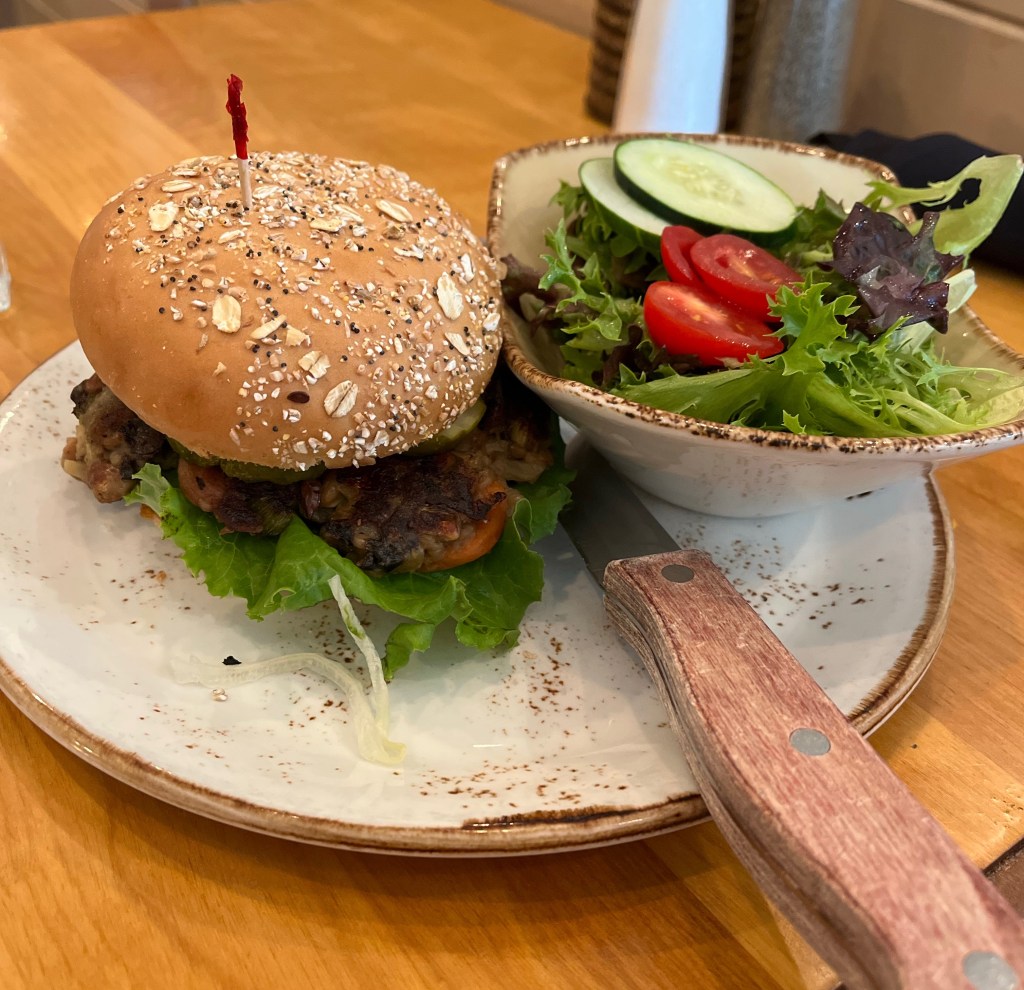
Whole food, plant based

I have tried over the past several years to change habits to lead a healthier, more fulfilling life. One struggle I’ve always had is with diet. It seems calorie restriction was the only way to lose weight, and I often ended up hungry. It seemed impossible to eat the right amount of calories and feel full at the same time.

I stumbled into the plant based diet through listening to and reading about endurance athletes who adopted veganism. I then started reading some of the scientific literature and was surprised by how much proof existed that a whole food plant-based diet is not only the path to healthy body composition, but it also prevents and reverses the leading causes of chronic disease.

First, let’s define what we mean by a whole food plant-based diet. This way of eating emphasizes whole, minimally processed foods that come from plants, such as fruits, vegetables, whole grains, legumes, nuts, and seeds. It avoids animal products, as well as highly processed and refined foods like white flour and sugar.

The benefits of a whole food plant-based diet have been widely researched and documented, and the evidence is clear: this way of eating is not only good for your health, but also for the environment and animals. Let’s explore some of the scientifically proven benefits of a whole food plant-based diet.

1. Reduced risk of chronic diseases

One of the most significant benefits of a whole food plant-based diet is its ability to reduce the risk of chronic diseases. Numerous studies have shown this way of eating is associated with a lower risk of heart disease, type 2 diabetes, certain cancers, and other chronic diseases.

For example, a study published in the Journal of the American College of Cardiology found that a plant-based diet was associated with a 42% lower risk of heart failure in middle-aged adults. Another study published in the Journal of the American Medical Association found that a plant-based diet was associated with a 34% lower risk of developing type 2 diabetes.

2. Improved weight management

A whole food plant-based diet can also help with weight management. This way of eating is naturally low in calories and high in fiber, which can help you feel full and satisfied while consuming fewer calories overall.

Studies have shown that people who follow a plant-based diet tend to have a lower body mass index (BMI) and a lower risk of obesity. For example, a study published in the Journal of the Academy of Nutrition and Dietetics found that people who followed a plant-based diet had a lower BMI and lower body fat than those who followed a non-vegetarian diet. I have found that sticking to whole plant foods are the only way to feel full and lose weight at the same time.

3. Better gut health

A whole food plant-based diet is rich in fiber, which is essential for maintaining a healthy gut microbiome. The gut microbiome is a collection of microorganisms that live in the digestive tract and play a critical role in overall health.

Research has shown that a diverse and healthy gut microbiome is associated with a lower risk of chronic diseases like obesity, type 2 diabetes, and heart disease. A plant-based diet can help promote the growth of beneficial gut bacteria, which can lead to better gut health and overall well-being.

4. Reduced inflammation

Chronic inflammation is linked to numerous chronic diseases, including heart disease, type 2 diabetes, and certain cancers. A whole food plant-based diet is naturally anti-inflammatory, as it is rich in antioxidants and other anti-inflammatory compounds found in plants.

Studies have shown that people who follow a plant-based diet tend to have lower levels of inflammation in their bodies. For example, a study published in the Journal of Nutrition found that a plant-based diet was associated with lower levels of C-reactive protein (CRP), a marker of inflammation in the body.

5. Environmental sustainability

In addition to the health benefits, a whole food plant-based diet is also better for the environment. Animal agriculture is a significant contributor to greenhouse gas emissions, deforestation, and water pollution.

By avoiding animal products and eating more plant-based foods, you can reduce your carbon footprint and help protect the environment. Studies have shown that a plant-based diet can reduce greenhouse gas emissions by up to 50% compared to a typical American diet that includes meat and dairy.

We evolved eating primarily plants, with a small amount of fresh meat that roamed wildly. Today’s processed food and factory farms are not a natural way of eating and are the cause of obesity and most chronic disease.

You have the ability to take control of your health. A whole food plant based diet is the best way to live a long and healthy life.

A better way for politics

Political divisiveness is the most critical issue of our time. The polarization between different political factions has reached a breaking point. It is increasingly difficult to find common ground between opposing viewpoints, not only around a solution to any give issue, but around what issues even exist and the sources of facts upon which to base a decision.

This divisiveness has led to a range of negative consequences, including gridlock in the political process, social unrest, and an erosion of trust in democratic institutions. We must find a way to end political divisiveness and bring people together for the greater good.

One of the most effective ways to end political divisiveness is to promote empathy and understanding between different groups. This means actively seeking out opportunities to engage with those who hold different political views and trying to understand their perspective. By listening to others and considering their point of view, we can begin to see the world through their eyes and develop a deeper understanding of their concerns and motivations. This can lead to greater empathy and a more collaborative approach to problem-solving.

Another important way to end political divisiveness is to encourage open and honest dialogue. This means creating safe spaces where people can express their opinions without fear of being attacked or ridiculed. It also means being willing to listen to and engage with those who hold different views. When we can have constructive conversations about politics, we can begin to break down barriers and find common ground.

Another effective approach to ending political divisiveness is to focus on shared values and priorities. While there may be differences in opinion on specific policy issues, there are often shared values that can serve as a foundation for collaboration. For example, most people value freedom, security, and prosperity, regardless of their political affiliation. By focusing on these shared values and working together to find solutions that promote them, we can bridge political divides and work towards a common goal.

Education is also a powerful tool for ending political divisiveness. By promoting critical thinking and media literacy, we can help people to understand and evaluate different sources of information. This can help to counter the spread of misinformation and conspiracy theories, which often fuel political divisiveness. Additionally, education can promote a greater understanding of the complexities of political issues, which can lead to more informed and nuanced discussions.

Another approach is to encourage political leaders to take a more collaborative and bipartisan approach. This means seeking out opportunities to work across party lines and finding common ground on issues that affect all Americans. When leaders are willing to put aside their differences and work together, they can model the kind of collaboration that is needed to overcome political divisiveness.

Finally, it is important to recognize the role that social media plays in political divisiveness. Social media algorithms often promote content that reinforces our existing beliefs and biases, which can lead to a narrow and polarized perspective on political issues. By being mindful of our social media use and actively seeking out diverse perspectives, we can begin to break down these echo chambers and engage with a wider range of opinions.

Political divisiveness is a major challenge in our world, but we have the collective ability to address it. By promoting empathy and understanding, encouraging open and honest dialogue, focusing on shared values, promoting education, encouraging bipartisan collaboration, and being mindful of social media use, we can begin to bridge political divides and work towards a more collaborative and inclusive society. Ultimately, it is up to all of us to take responsibility for ending political divisiveness and promoting greater unity and understanding.

The 7 Habits of Highly Effective People

Stephen Covey’s book, “The Seven Habits of Highly Effective People” has been a bestseller since it was first published in 1989 and was a catalyst in my own self-development. It encouraged me to be thoughtful about the actions I take, and to focus my attention on what matters most: the people in my life. It can help you gain a better understanding of yourself and how you can become more effective in your personal and professional lives.

The book is divided into seven habits or principles that the author believes are essential for achieving personal and professional success. The habits are:

  1. Be Proactive: The first habit focuses on taking control of your life, instead of letting circumstances control you. Covey believes that the most effective people are proactive and take responsibility for their lives, rather than waiting for someone else to fix their problems.
  2. Begin with the End in Mind: This habit emphasizes the importance of setting clear goals and having a vision for your life. Covey argues that by knowing your destination, you can better plan your journey and make more intentional choices.
  3. Put First Things First: This habit is about time management and prioritization. Covey suggests that you should prioritize your tasks based on their importance in achieving your goals, rather than focusing on the urgent but unimportant tasks that can distract you from your vision.
  4. Think Win-Win: Covey’s fourth habit is all about finding solutions that benefit both parties in a relationship or negotiation. He believes that by thinking win-win, you can create more meaningful and sustainable relationships in both your personal and professional lives.
  5. Seek First to Understand, Then to Be Understood: This habit is about effective communication and active listening. Covey argues that by understanding others’ perspectives and needs, you can communicate more clearly and build stronger relationships.
  6. Synergize: Covey’s sixth habit is about collaboration and teamwork. He suggests that by working together towards a shared goal, individuals can achieve more than they could on their own.
  7. Sharpen the Saw: The final habit is about self-improvement and personal renewal. Covey argues that by taking care of ourselves physically, emotionally, spiritually and mentally, we can become more effective in all areas of our lives.
    Throughout the book, Covey uses real-life examples and anecdotes to illustrate his points and make them more relatable. He also includes exercises and worksheets to help readers apply the habits to their own lives.

The Seven Habits of Highly Effective People” is a classic that provides a roadmap for you to live a richer and more meaningful life. Covey’s habits are practical and easy to understand, yet powerful enough to create meaningful change. By applying these habits, you can become a proactive leader who prioritizes your values, achieve your goals, and build stronger relationships with the ones you love.

The Top Ten Ways to Improve Wellbeing in Modern Life

In the fast-paced world of modern society, it can be difficult to maintain a sense of wellbeing. We strive for success in our careers and personal lives while managing our time between social engagements, family commitments, and personal hobbies. It is important to prioritize our mental, emotional, and physical health to live a balanced and fulfilling life. Here are some best practices for wellbeing in modern society:

1. Prioritize self-care

Self-care refers to the actions individuals take to care for their physical, mental, and emotional needs. This includes activities such as getting enough sleep, eating nourishing meals, practicing relaxation techniques, and engaging in exercise. By prioritizing self-care, individuals can better manage stress, reduce anxiety, and improve overall health.

2. Connect with others

Human connection is an essential aspect of wellbeing. In today’s world, technology has made it easy to stay connected with friends and family through social media, texts, and video calls. However, it is important to prioritize face-to-face interactions as well. Spending time with loved ones in-person can improve mood, reduce stress, and foster a sense of belonging.

3. Practice mindfulness

Mindfulness is the practice of being present and fully engaged in the moment. It involves paying attention to thoughts, feelings, and sensations without judgment. Practicing mindfulness can help with stress management, emotional regulation, and cultivating a sense of inner peace.

4. Limit screen time

Technology has revolutionized the way we live but it is important to recognize the impact it can have on wellbeing. The blue light emitted from screens can interfere with sleep patterns and excessive use can lead to feelings of isolation and disconnection. Setting boundaries and limiting screen time can help individuals prioritize other aspects of their lives such as socializing, exercise, and self-care.

5. Engage in physical activity

Exercise not only improves physical health but also has numerous benefits for mental health. Regular physical activity has been found to reduce symptoms of depression and anxiety, improve cognitive function, and boost self-esteem. Incorporating physical activity into daily routines can promote overall health and wellbeing.

6. Practice gratitude

Gratitude is the practice of recognizing and appreciating the good in one’s life. Practicing gratitude can help individuals focus on positive experiences, reduce feelings of negativity, and cultivate a sense of contentment. Daily practices such as journaling or reflecting on what one is grateful for can promote a positive mindset.

7. Set boundaries

Setting boundaries is essential for maintaining wellbeing. Boundaries refer to the guidelines an individual sets for themselves in order to protect their mental, emotional, and physical health. This can include saying no to excessive commitments, limiting exposure to toxic relationships, and prioritizing self-care.

8. Seek professional help

Sometimes, despite one’s best efforts to prioritize wellbeing, individuals may struggle with mental health concerns. Seeking professional help can provide additional support and resources. Therapists, counselors, and other mental health professionals can offer guidance, coping strategies, and treatment options as needed.

9. Cultivate a sense of purpose

Having a sense of purpose can promote overall wellbeing. This involves identifying one’s values and goals and working towards fulfilling them. Individuals who have a strong sense of purpose may experience increased motivation, goal attainment, and a sense of fulfillment.

10. Be kind to oneself

Finally, it is important to be kind to oneself when pursuing wellbeing. Adopting a mindset of self-compassion can reduce self-criticism, increase resilience, and promote a sense of self-worth. Practicing self-compassion involves treating oneself with kindness, recognizing one’s humanity, and acknowledging that setbacks and struggles are a normal part of the human experience.

Prioritizing wellbeing in modern society involves a multifaceted approach. By incorporating these best practices into daily routines, individuals can promote physical, mental, and emotional health, and live more fulfilling lives.

Merry Christmas

A young couple walks ninety miles over four days to deliver an infant of questionable origins in a barn among farm animals. That boy grows up to be a champion of love, hope, joy and peace. His name echos in eternity. For some, he is the Messiah. For others, he is a nuisance. Still others scoff at his miraculous birth and discount his teachings. But putting the mythology aside, Christ’s birth, life and death are miracles in themselves.

The difficult journey of Mary & Joseph would drive most modern couples apart. The “hardships” most of us face in twenty first century America pale in comparison. Making the journey itself is a testament to their love for each other.

The birth of a baby in the middle of a barn, without assistance, without doctors or even a proper midwife, is a miracle. Can you imagine bringing your child into the world with only a donkey to help you in the process? It is unspeakable joy that a boy be brought healthy into the world this way.

After the journey and the delivery, how peaceful it must have been in that stable! Not the type of manufactured peace we get in a modern day spa, but the overwhelming peace of the end of a long journey, a long pregnancy and the safe delivery of a child. In the midst of a barn, Mary & Joseph we’re granted a peace that most of us will never know.

The hope of a new child rested in their arms. Each birth contains endless possibilities. We look forward to watching children grow into more than we could have imagined.

The story of Jesus Christ does not need magic to be miraculous. It is a miracle in its plainness. It is the Gospel with or without a resurrection. It is the story of joy, peace, hope and love for all people.

The world needs the Christmas Story, but not because of the miracles. We need the Christmas Story for its extraordinary plainness. The faith of a couple giving birth to their son in a barn. A boy who grew up to teach kindness to all.

You do not need to believe in mythology to believe in Jesus. His story is one of joy, peace, hope and love. We need this Gospel to be preached into the world today. We need to find peace that the challenges we face are small in comparison to those faced in the past. We need to know hope is proven by the continuous progress of humanity toward a more just world. We need to find joy in our day to day lives. And most importantly, we need to love each other deeply.

The Christmas Story may contain passages of Angels and a Virgin birth. But those aren’t central to it. At its core, it’s a story of a coupe who loved each other enough to whether the journey together. It’s a story of a boy born in a stable. It’s the miracle of birth and life itself. It’s a reminder that joy, peace, hope and love are the meanings of a life well lived.

I hope you have a day full of peace, joy and love. Merry Christmas!

Equally supported: An American Manifesto

There is a sinister belief in American politics that the country is “deeply divided”. This is a false reality perpetuated by polarized traditional and social media outlets to improve their advertising profits. They need you to be afraid of the other side so you keep watching, scrolling, clicking and commenting.

The reality is Americans are not deeply divided, we are equally supportive. That’s why we end up with split control of Congress. That’s why one party has not controlled the Presidency for more than 3 terms since Roosevelt. That’s why so many of us are fed up with political extremism.

We equally support limited government, and the need for government spending on infrastructure, education, and social security. We equally support a future of independent clean energy and the need for affordable gas prices today. We equally support the right to own a gun and the right of government to regulate gun ownership. We equally support women’s reproductive health and the fact that each abortion is a personal tragedy. On almost every political issue, you will find the majority of Americans understand both sides of the argument.

We are also fully support the foundations of our democracy, which are rule of law, burden of proof, and free and fair elections.

Most Americans are not deeply divided. They are understanding, reasonable and responsible citizens. This is why our democracy has lasted for over two centuries, and it is why it will continue to thrive.

Some fear-mongers want you to believe that America is threatened, but this only becomes true if the vast majority of political rationalists allow it to happen. We have seen the results of political extremism. It has failed at the ballot box. It has failed at the Capitol Building on January 6th. And it will continue to fail, because we are not deeply divided.

We are united as people who love our families, who want the best for our children, who are willing to work together and who understand that disagreements do not make us enemies, but rather, make us a stronger society. We are united in the rejection of a political arms race toward the extreme right or left. We are united in wanting to find a better way.

It sure as hell makes a better story to make Republicans the enemies of Democrats. But most Republican and Democratic voters are not enemies. We are neighbors, friends, cousins, sisters and brothers. The next time someone tells you the country is divided, I would encourage you to think about if this division is the world you see in your daily life, or is it a manifestation of the screens that are trying to steal your attention.

Reject the narrative that we are deeply divided. Understand that we are instead equally supportive. And that will make all the difference.

E Pluribus Unum

Be Water

I often find myself resisting, grinding and struggling. I’m a hard charger, set lofty goals and aim to achieve them. But often, I find the harder I try, the more I dig myself into a hole. Like trying to squeeze a liquid, the goal slips through my hand.

Water is literally the source of life on earth. Philosophically, a lot can be learned from it. Water nourishes, supports, hydrates and sustains, yet it is unyielding, relentless and unwavering. It will not stop you from entering, but it will not be stopped by you either.

The tide shapes the coastline. Rivers carve out canyons. The best man made structures waste away due to weather, rot and rust. Water continues on its path. It always finds the quickest way back to the ocean. It doesn’t resist the things in its way. It simply moves around them.

Bruce Lee had a revelation in his own martial arts when he considers the properties of water. He aimed to mold his practice into a fluid art that took what he was given and used it toward his purposes. His philosophy of jeet kune do was simple: Be water.

I needed this reminder as I go through my daily life. I do not need to act forcefully, like a ram butting heads with an opponent. I need be water. Constantly moving toward my goals. Unyielding, but never resisting. Freely flowing through time to carve the path I’m seeking. Not using force, but finding the path of least resistance.

Embrace the journey. Enjoy the cycle of life.

Be water.

Momento Moir

I came across a graveyard overlooking a mountain range on a run through Vermont. The beauty of a blue sky fading into the dark green hillside was a stark contrast to the tombstones most near me. Those mountains will remain long after I lay with the dead.

Vermont

Momento moir” is a stoic reminder of our own mortality. We do not need to fear death, but rather, should be afraid of not living fully. We are too often caught up in trivial matters of the day. Remembering that you have to die is a reminder to focus on what is important.

When people close to death are asked what they would have done differently, they almost universally say spend more time with families and friends, travel more, and to be more adventurous. No one says they wish they spent more time in the office, complained more about the weather, or argued more about politics. Shared experiences with loved ones is what it means to be human. This is where we should spend our time.

We are all mortal. This is a good thing. It is even better to have perspective in the present moment. This empowers you to live your life as if you had the benefit of hindsight. Leave work early. Take you kids to the park. Go see that place you’ve admired. Buy the ticket. Take the ride.

We all get to die. We can all choose to live well. When my days fade from a blue sky into a dark green hillside, I hope I chose to spend those days with the people I care for most.

The End of Productivity

What happens when producing more yields less satisfaction? The rules we have been operating under may no longer apply. Business schools teach maximization, efficiency and optimality, but productivity increases have yielded a negative happiness curve.

Economically, we are not prepared to deal with this. Our system is predicated on endless growth. Our leaders preach it and we are trained to believe it. Produce more and we will be better off. It is quickly becoming a myth in the modern world.

For the first time in history, we have more than enough, everything we need and most things we want. Having more will not help us. Bigger waistlines, bigger debts and bigger commutes show that more is not better. Psychologically, we acknowledging we have enough is critical to our wellbeing.

At the same time, we will need a new economic system to support the new reality of enough. Our economy will not continue to grow forever. It will flatline. And when it does, we should not panic.

We should realize it is the natural result of having enough, and that shared prosperity is the path to a healthy community. We should embrace a future where the growth we seek lies in the growth of communal wellbeing, rather than the growth of an economic bottom line.

The age of productivity is over. We are now in the era of wellbeing.When you realize you have enough, you are free to live and to be. I am thankful to live in these times, to be awake to realize I have enough to live, and enough to meet the challenges of tomorrow.

Blog at WordPress.com.

Up ↑